Introduction: Building Your DIY Foundation
Whether you’re a first-time homeowner or a seasoned renovation enthusiast, the success of your home improvement projects relies on more than just creativity and effort — it starts with having the right tools and equipment. With the abundance of gadgets and gear on the market, assembling a practical, efficient toolbox can feel overwhelming. What’s truly essential? Which tools are worth the investment? And how do you avoid cluttering your workspace with items you’ll rarely use?
This comprehensive guide demystifies the world of home improvement tools, from must-have basics for beginners to advanced equipment that elevates your project quality and efficiency. We’ll break down tool categories, explore how to match tools to popular projects, and offer practical buying advice, storage tips, and maintenance best practices. By the end, you’ll know exactly how to equip yourself for safe, successful DIY — and how to get the best value for your money.
Understanding Tool Categories: The Core of Home Improvement
1. Hand Tools: The Everyday Essentials
Hand tools are the backbone of any toolbox, providing the control and precision needed for most home tasks. Start with these core items:
- Claw Hammer: For driving and removing nails, adjusting framing, and small demolition.
- Screwdrivers: A set with both flat-head and Phillips tips, in multiple sizes.
- Tape Measure: At least 25 feet, with clear markings for accuracy.
- Utility Knife: For scoring, cutting, and opening packages or materials.
- Pliers: Standard, needle-nose, and locking pliers for gripping, bending, and cutting wire.
- Adjustable Wrench: For tightening bolts, nuts, and plumbing fixtures.
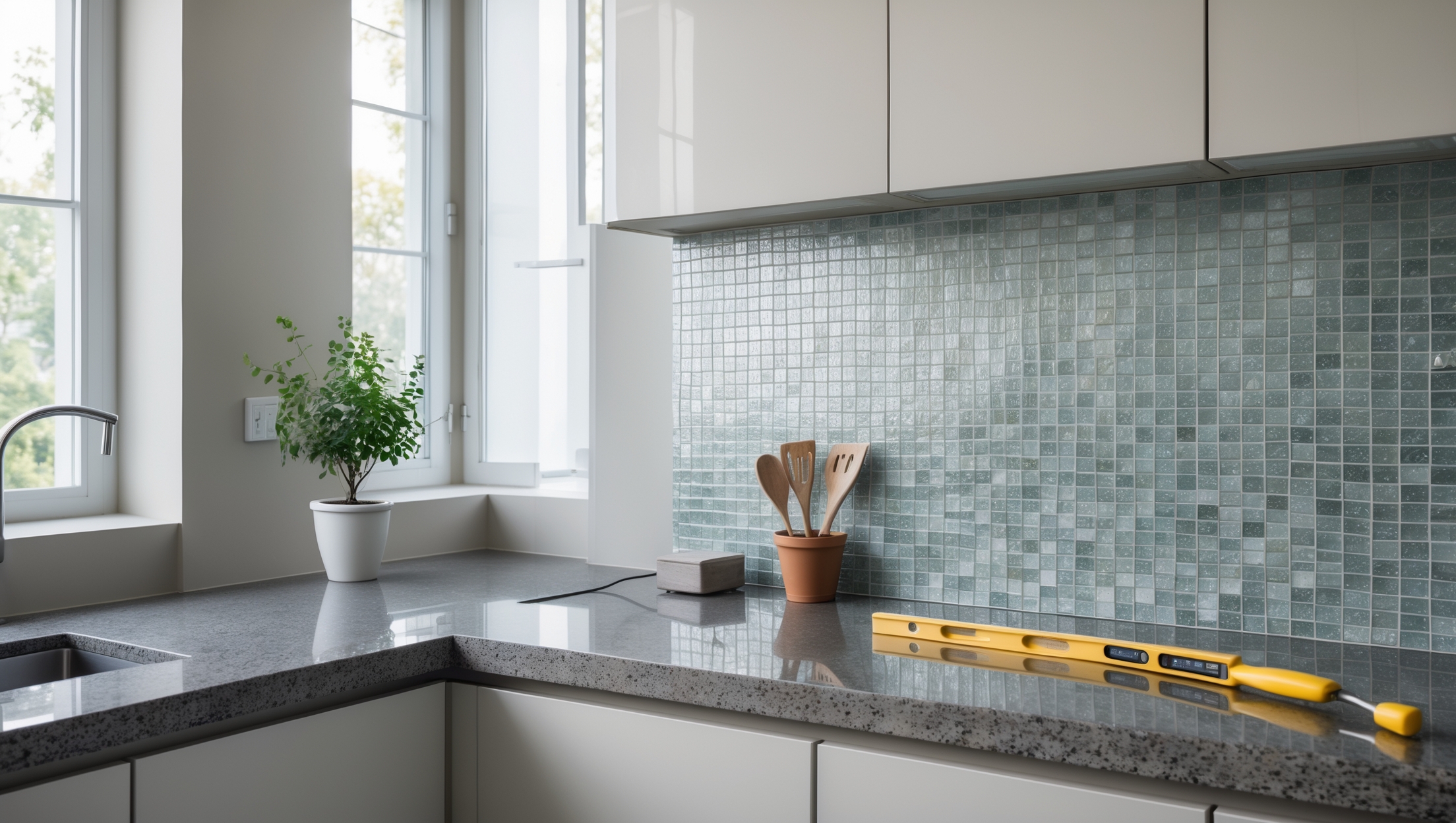
- Level: 24-inch or longer for checking straightness on walls and installations.
- Handsaw: For simple wood cutting or trimming jobs.
2. Power Tools: Efficiency and Precision
Power tools make demanding projects manageable and save time. Start with these versatile options:
- Cordless Drill/Driver: For drilling holes and driving screws. Look for models with variable speed and a lithium-ion battery.
- Circular Saw: For straight cuts in wood, plywood, and some plastics.
- Orbital Sander: For smoothing surfaces or preparing for paint/stain.
- Jigsaw: For curved cuts and intricate designs in wood, metal, or plastic.
- Shop Vacuum: For efficient dust and debris cleanup during and after projects.
3. Specialized Equipment: Project-Specific Tools
As your skills and ambitions grow, certain projects may require specialty tools:
- Stud Finder: Essential for securely mounting shelves, TVs, or heavy décor on walls.
- Tile Cutter: For bathroom and kitchen upgrades involving tile work.
- Paint Sprayer: For fast, even coverage on large surfaces.
- Laser Level: For precise alignment when installing cabinetry, shelving, or artwork.
- Pex Crimp Tool: For modern plumbing installations and repairs.
- Multi-Tool (Oscillating Tool): For sanding, cutting, scraping, and detail work in tight spots.
Building Your Toolbox: Prioritizing Purchases
Start with the Basics
If you’re just starting out, focus on multipurpose tools that work for a wide range of tasks. Resist the urge to buy sets with dozens of rarely used tools. Instead, invest in quality items you’ll use frequently — a solid hammer, a reliable drill, and a sturdy tape measure go much further than a drawer of novelty gadgets.
Expand as Projects Demand
As you tackle more complex renovations, gradually add specialized tools to your collection. For example, if you’re planning on tiling a bathroom, it’s worth purchasing or renting a tile cutter and notched trowel. If you’re upgrading lighting fixtures, invest in a non-contact voltage tester for safety.
Buy vs. Rent: Making Smart Choices
- Buy: Tools you’ll use repeatedly or for ongoing maintenance (e.g., drills, hammers, screwdrivers).
- Rent: High-cost tools for one-time or infrequent projects (e.g., demolition hammers, floor sanders, specialty saws).
Many hardware stores offer daily or weekly rentals, making it cost-effective to access pro-grade equipment without the long-term investment or storage burden.
Essential Tool Kits by Project Type
Painting & Finishing
- Rollers and extension poles
- Angled and straight brushes
- Paint trays and liners
- Painter’s tape
- Drop cloths
- Putty knife (for patching holes)
- Sanding block or orbital sander
Carpentry & Woodworking
- Claw hammer
- Chisels (various sizes)
- Measuring square
- Circular saw
- Jigsaw
- Wood glue
- Nail set
Plumbing Repairs
- Pipe wrench
- Adjustable wrench
- Plunger
- Pex crimp tool or pipe cutter
- Plumber’s tape
- Basin wrench
Electrical Work
- Non-contact voltage tester
- Wire stripper
- Needle-nose pliers
- Electrical tape
- Screwdriver set (including insulated handles)
Smart Tool Storage and Organization
Toolboxes vs. Tool Bags vs. Workshop Storage
Choosing the right storage method keeps your tools accessible, organized, and protected.
- Toolboxes: Sturdy, portable, and available in various sizes. Great for hand tools and small power tools.
- Tool Bags: Soft-sided, lightweight, and ideal for carrying a selection of tools to project sites.
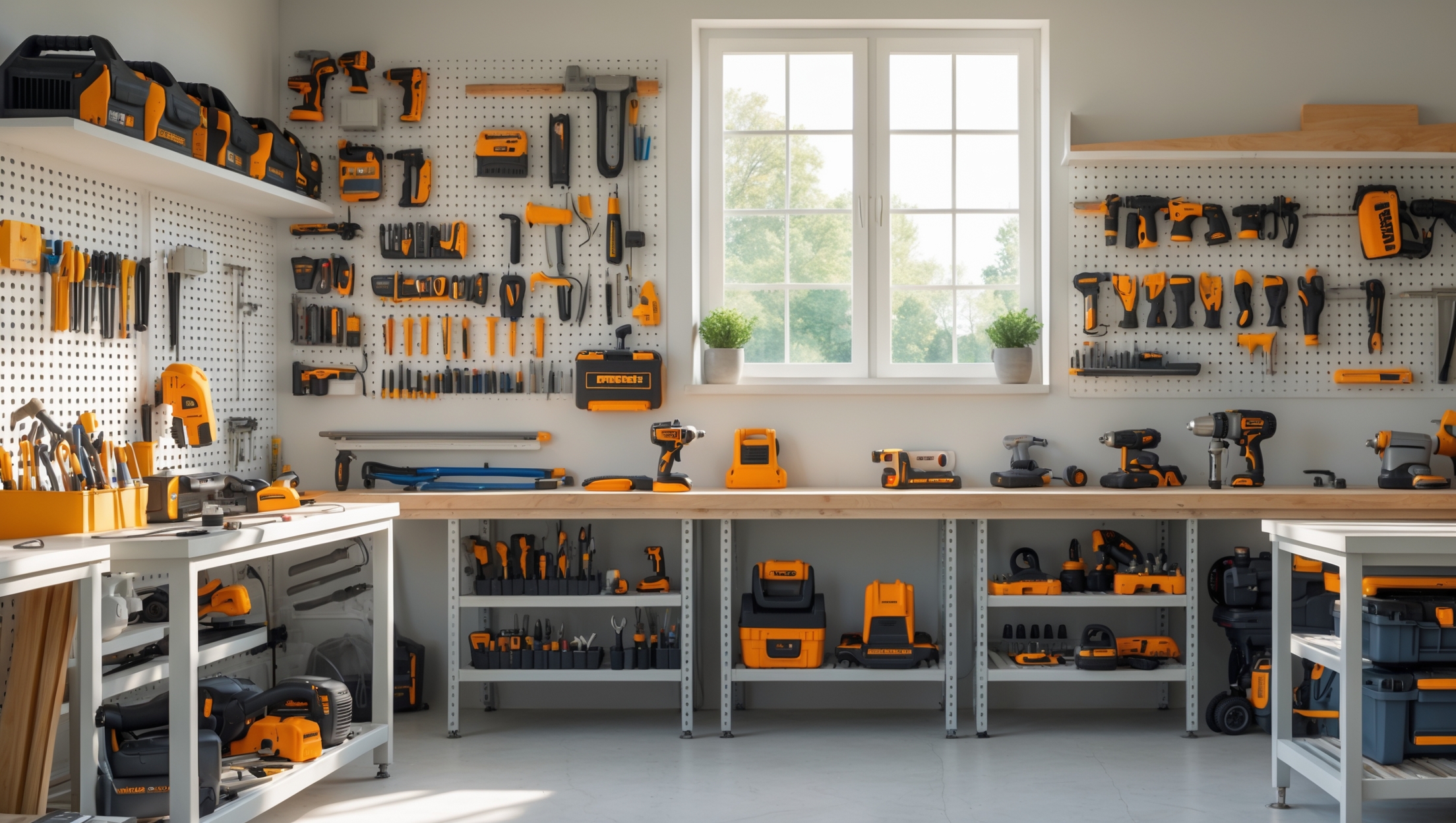
- Pegboards and Shelving: Perfect for workshops or garages. Keep tools visible and within reach.
- Drawer Cabinets: For larger collections or heavy tools. Look for locking drawers for added security.
Organization Tips for Efficiency
- Group tools by function (e.g., electrical, plumbing, carpentry).
- Label drawers or bins for quick identification.
- Hang frequently used items at eye level on a pegboard.
- Use magnetic strips for metal tools like screwdrivers and wrenches.
- Regularly clean and return tools after use to maintain order.
Buying Tools: What to Look for
Quality Over Quantity
Premium tools may cost more upfront but often last longer, work more efficiently, and are safer to use. Look for:
- Solid construction (e.g., forged steel, durable plastics)
- Ergonomic handles for comfort and reduced fatigue
- Trusted brands with positive user reviews
- Warranties or satisfaction guarantees
New vs. Used Tools
Buying used tools can be a budget-friendly option, especially for high-quality brands. Inspect for rust, worn parts, and test moving components before purchase. Avoid used tools with missing safety features.
Battery Compatibility for Cordless Tools
If investing in cordless tools, stick to one brand’s battery system to maximize compatibility and minimize the number of chargers required.
Tool Maintenance for Longevity
Cleaning and Care
- Wipe down tools after each use to remove dust, debris, and moisture.
- Oil moving parts (hinges, joints) periodically to prevent rust and sticking.
- Sharpen blades (knives, chisels, saws) as needed for safety and efficiency.
Safe Storage
- Store in a dry, climate-controlled area to prevent corrosion.
- Use silica gel packs in toolboxes to absorb excess moisture.
- Hang heavy tools securely to prevent injury or damage.
Routine Inspection
- Check cords and batteries for wear or damage before use.
- Replace worn grips or cracked handles immediately.
- Test safety mechanisms (guards, locks) on power tools regularly.
Safety Checklist: Using Tools Responsibly
- Read and follow manufacturer instructions for every tool.
- Wear appropriate safety gear: goggles, gloves, hearing protection.
- Keep work area well-lit and clutter-free.
- Disconnect power tools before changing bits or blades.
- Never force a tool beyond its intended use.
- Store sharp and powered tools out of reach of children and pets.
Upgrading Your Toolbox: When and Why
Signs It’s Time to Upgrade
- Tools are frequently breaking or underperforming.
- Your project ambitions have outgrown your current equipment.
- You find yourself renting the same tool multiple times.
- Emergence of new, safer, or more efficient technology (e.g., brushless motors, laser guides).
How to Upgrade Smartly
- Replace tools individually as needed, rather than buying complete new sets.
- Sell or donate gently used tools to free up space and offset costs.
- Research new features and read user reviews before purchasing.
Conclusion: Empowering Your Home Improvement Journey
Equipping yourself with the right tools is more than a matter of convenience — it’s the foundation of safe, efficient, and satisfying home improvement. A thoughtfully curated toolkit saves time, reduces frustration, and helps you achieve professional-looking results, even as a passionate amateur. Remember, you don’t need to buy everything at once; start with the essentials and let your collection grow alongside your skills and project ambitions.
Prioritize quality, maintain your equipment, and invest in smart storage solutions to keep your workspace organized and your tools in top condition. Don’t hesitate to rent specialized items or seek expert advice when tackling unfamiliar tasks. By following the guide above, you’ll transform your home improvement experience from daunting to empowering — one well-chosen tool at a time. Happy building!