
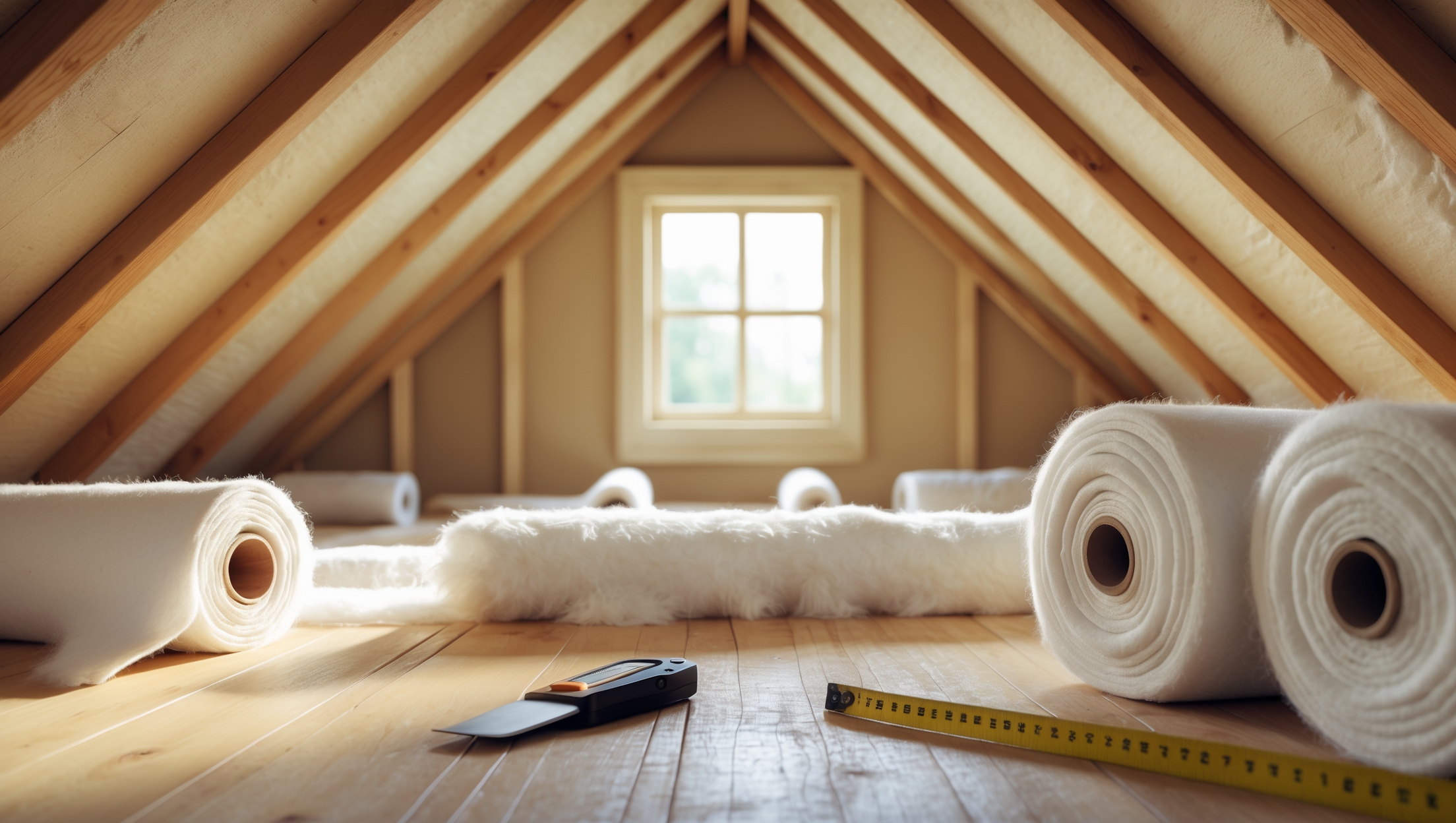
Introduction: Why Home Insulation Matters
Insulation is one of the most effective and cost-efficient home improvement projects you can undertake. Whether you’re battling frigid winters or scorching summers, proper insulation keeps your home comfortable year-round. Beyond comfort, effective insulation can reduce your energy bills by up to 15%, according to the U.S. Department of Energy. For homeowners, it’s not just about staying warm or cool—it’s about maximizing the value of every dollar spent on utilities, protecting your property from moisture and mold, and even increasing your home’s resale appeal.
But with so many insulation materials, installation methods, and conflicting advice, it’s easy for even experienced DIYers to feel overwhelmed. This guide demystifies the process, offering a step-by-step approach to insulating your home. We’ll cover how to assess your insulation needs, choose the right materials, budget accurately, and install insulation safely and effectively. Whether tackling your attic, walls, floors, or crawlspace, this resource equips you with the knowledge and practical tips to get the job done right the first time—and reap the rewards for years to come.
Understanding the Basics: How Insulation Works
Types of Heat Transfer
Before diving into the “how,” it’s crucial to understand the science behind insulation. Heat moves in three ways: conduction (through materials), convection (through air movement), and radiation (through electromagnetic waves). Insulation primarily slows conduction and, to a lesser extent, convection. The right materials and installation methods minimize unwanted heat loss in winter and heat gain in summer.
Measuring Effectiveness: R-Value Explained
Insulation is rated by its R-value, which measures thermal resistance. The higher the R-value, the better the insulation’s effectiveness. Different areas of your home require different R-values—attics typically need higher ratings than walls or floors. Always consult local building codes for recommended R-values in your climate zone.
Assessing Your Home’s Insulation Needs
Key Areas to Insulate
- Attic: Heat rises, making the attic a primary source of energy loss.
- Exterior Walls: Essential for controlling temperature transfer.
- Floors Above Unheated Spaces: Prevents cold from seeping up.
- Crawlspaces and Basements: Critical for homes in colder climates.
DIY Home Energy Audit
Start with a simple walkthrough. Check for drafts, touch walls and ceilings to feel for temperature differences, and inspect existing insulation for gaps, moisture damage, or compression. Use an infrared thermometer or thermal camera for a more thorough analysis. If possible, consult your utility company—many offer free or discounted professional energy audits.
Choosing the Right Insulation Materials
Main Types of Insulation
- Fiberglass Batt: Widely available, affordable, easy to install. Comes in pre-cut panels, best for attics and walls.
- Blown-In Cellulose: Made from recycled paper, good for filling irregular spaces and retrofits.
- Spray Foam: Offers superior air sealing, ideal for small gaps and hard-to-reach areas. More expensive and best handled by professionals.
- Rigid Foam Boards: Excellent for exterior walls, basements, and crawlspaces. Provides a high R-value per inch.
- Mineral Wool: Fire-resistant and soundproofing benefits, suitable for walls and attics.
Comparing Material Pros and Cons
| Material | Pros | Cons |
|---|---|---|
| Fiberglass Batt | Affordable, easy DIY install | Can irritate skin, loses effectiveness if compressed |
| Cellulose | Eco-friendly, fills gaps | Needs blower, can settle over time |
| Spray Foam | Air sealing, high R-value | Costly, professional install recommended |
| Rigid Foam | Moisture resistant, high R-value | Challenging to fit in irregular spaces |
| Mineral Wool | Fire resistant, soundproofing | Heavier, may cost more |
Budgeting and Cost Breakdown
Factors Affecting Cost
- Square footage to be insulated
- Material type and thickness
- DIY versus professional installation
- Removal of old insulation (if necessary)
- Additional supplies (vapor barriers, fasteners, safety gear)
Typical Costs by Project
- Attic (DIY Fiberglass): $0.60–$1.20 per square foot
- Blown-in Cellulose (DIY rental): $1.00–$1.50 per square foot
- Spray Foam (Professional): $2.50–$4.00 per square foot
- Rigid Foam Board: $1.25–$2.50 per square foot
Don’t forget to budget for safety equipment (gloves, goggles, masks), which can add $30–$60 to your total.
Preparation: Tools, Equipment, and Safety
Essential Tools
- Utility knife or insulation saw
- Measuring tape and straightedge
- Staple gun (for batts or vapor barriers)
- Blower (for blown-in insulation; often available for rent)
- Protective gear: gloves, long sleeves, goggles, N95 mask or respirator
- Ladder and work lights
Safety Precautions
- Wear protective clothing and gear at all times.
- Ensure adequate ventilation, especially when using spray foam.
- Be cautious around electrical wiring—shut off power if working near outlets or fixtures.
- Check for signs of pests or mold before starting; address these issues first.
Step-by-Step Insulation Installation Guide
Step 1: Remove Old or Damaged Insulation
Inspect existing insulation for compression, moisture, or pest damage. Carefully remove compromised material, bag it for disposal, and clean the area thoroughly. Use a shop vacuum with a HEPA filter for dust control. If you find vermiculite insulation (may contain asbestos), consult a professional—do not disturb it yourself.
Step 2: Seal Air Leaks
Before adding new insulation, seal gaps around plumbing, wiring, chimneys, and attic hatches with caulk or expanding foam. Use weatherstripping for moving parts. This step prevents conditioned air from escaping and unconditioned air from entering, maximizing insulation effectiveness.
Step 3: Install a Vapor Barrier (If Needed)
Vapor barriers prevent moisture from passing through insulation, which can lead to mold growth. They’re especially important in cold climates or humid areas. Install as directed by local code—typically on the warm side of the insulation (facing the living space).
Step 4: Measure and Cut Insulation
Measure the spaces between joists, studs, or rafters. Cut batts or boards slightly wider than the cavity to ensure a snug fit. For blown-in insulation, use depth markers to ensure consistent coverage.
Step 5: Install Insulation
- Batts: Place gently between framing, avoiding compression. Do not block soffit vents or cover recessed lighting fixtures unless rated for insulation contact.
- Blown-In: Use the blower to distribute insulation evenly to the required depth, being careful to avoid overfilling or leaving gaps.
- Rigid Foam: Cut panels to fit and secure with adhesive or fasteners. Seal seams with tape or spray foam.
Step 6: Inspect and Tidy Up
Check for gaps, compressed areas, or missed spots. Replace any displaced insulation and make sure all tools and debris are removed. If insulating an attic, ensure there’s at least 3 inches of clearance around light fixtures and sufficient airflow at soffit and ridge vents.
Special Considerations by Area
Attics
- Focus on covering the entire attic floor, not just above living spaces.
- Maintain proper ventilation to prevent moisture buildup.
- Add insulation dams around attic hatches and recessed lights.
Exterior Walls
- For existing homes, blown-in cellulose is often easiest. Small holes are drilled in the wall cavity, insulation is blown in, and holes are patched.
- During renovations, consider adding rigid foam or mineral wool for higher R-values and moisture protection.
Crawlspaces and Basements
- Insulate the walls, not just the floor above, to prevent cold air infiltration.
- Use rigid foam or spray foam for moisture resistance.
- Seal vents that are no longer needed; add a vapor barrier to the floor if the crawlspace is unconditioned.
Common Mistakes to Avoid
- Skipping Air Sealing: Insulation alone can’t stop drafts—air sealing is essential.
- Compressing Insulation: Squeezing batts reduces their effectiveness.
- Blocking Vents: Don’t cover soffit or roof vents; this can trap moisture and damage your roof.
- Neglecting Safety: Always wear protective gear and check for hazardous materials before starting.
- Ignoring Building Codes: Local codes dictate R-values and vapor barrier placement—always verify before you begin.
Maintenance and Long-Term Considerations
- Inspect insulation annually for signs of moisture, pests, or settling.
- Replace any insulation that becomes wet or moldy.
- Monitor utility bills—sudden increases may indicate insulation problems or air leaks.
- Keep attic and crawlspace vents clear for ongoing ventilation.
When to Call a Professional
Some insulation projects are best handled by pros. If your home contains asbestos, has complex rooflines, or requires spray foam in tight spaces, consult a qualified contractor. Professional installation ensures compliance with codes, proper material handling, and optimal performance—sometimes at a cost offset by rebates or tax credits.
Conclusion: Investing in Comfort, Efficiency, and Value
Insulating your home is one of the smartest investments you can make—not only for immediate comfort but for long-term savings and property value. The right materials, installed with care, can stabilize your indoor climate, reduce noise, and protect against costly moisture damage. While the process may seem daunting, breaking it down into clear, manageable steps helps ensure success. From assessing your needs and setting a realistic budget to choosing materials and following a systematic installation process, every decision you make contributes to a more efficient, durable home.
Remember, insulation is not a one-size-fits-all solution. Pay attention to your home’s unique needs, local building codes, and climate. Don’t hesitate to seek professional advice for complex scenarios or hazardous materials. Regular inspection and maintenance will keep your insulation performing at its best, maximizing your investment for decades. Whether you’re a first-time DIYer or a seasoned home improver, the reward is a home that’s more comfortable, more energy-efficient, and more valuable. Start planning your insulation project today—and experience the benefits every season of the year.