
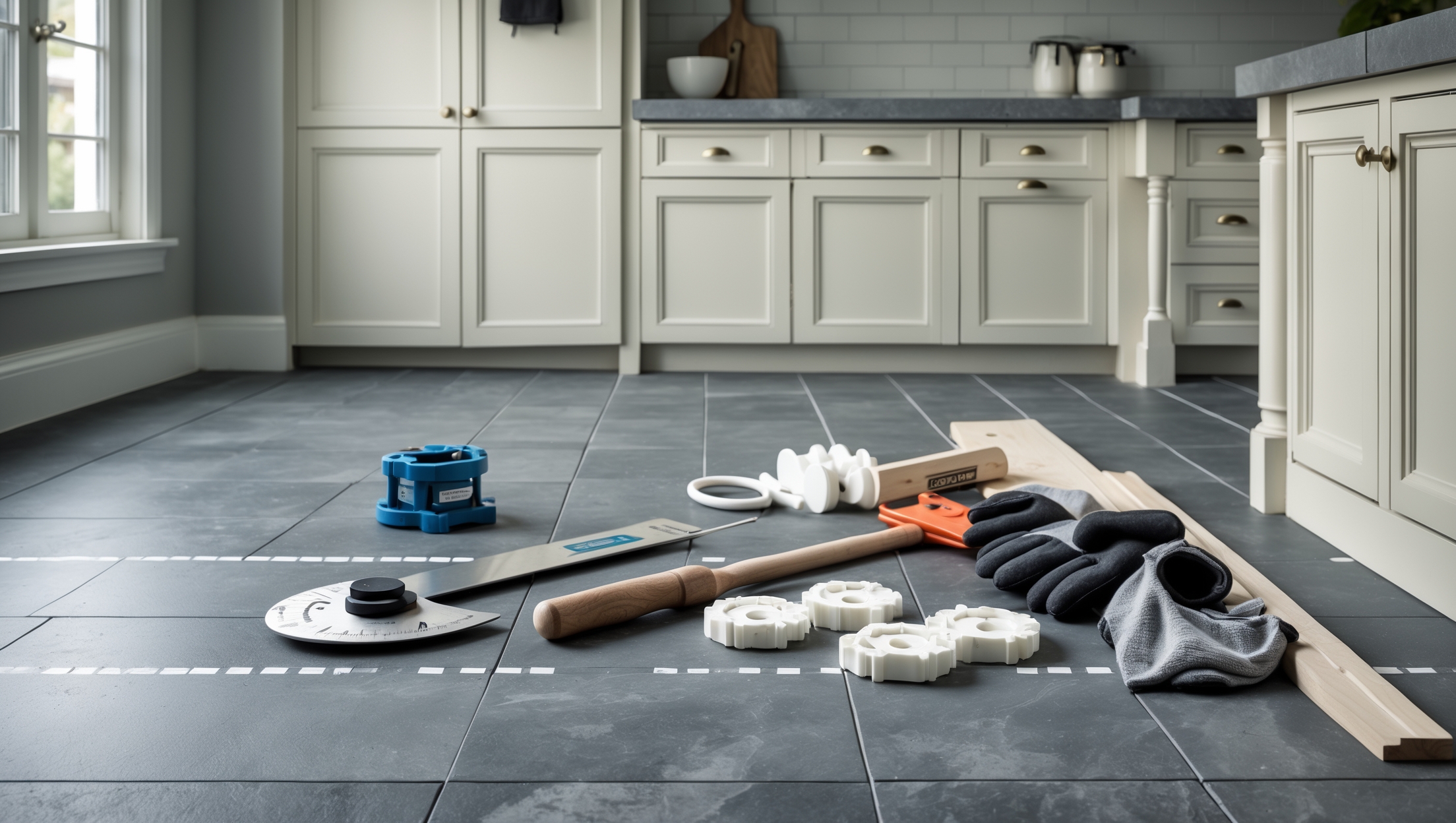
Introduction: Why the Right Tools Make All the Difference in DIY Tile Flooring
If you’re tackling your first home tile flooring project, it’s easy to focus on style, color, and pattern. However, the real magic of a professional-looking tile installation lies in the tools and equipment you use. Choosing the right tools not only makes the process smoother and faster, but it also ensures the finished floor is level, durable, and beautiful for years to come. Without proper equipment, even the highest quality tiles can end up uneven, cracked, or poorly aligned—turning your dream update into a costly redo. This comprehensive guide will walk you through every essential tool and piece of equipment needed for DIY tile flooring, from prep work to grouting and maintenance. Whether you’re tiling a bathroom, kitchen, or entryway, understanding what you need—and how to use it—will save you time, money, and frustration. Let’s break down each step, so you can confidently transform your space with professional results, even as a first-timer.
Project Planning: Assessing the Scope and Preparing for Success
Evaluating Your Tile Project
Before investing in tools, assess the size and complexity of your project. Are you tiling a small powder room or an expansive open-plan kitchen? The larger the area and the more intricate the layout (like diagonal or patterned tiles), the more specialized your tools may need to be.
- Room size: Measure carefully and add 10% for tile cuts and waste.
- Tile type: Porcelain, ceramic, and natural stone each require specific tools.
- Subfloor condition: Concrete, plywood, or existing tile may impact your prep tools.
Budgeting for Tools and Equipment
Factor tool costs into your overall project budget. Many tools can be rented for a fraction of the cost, especially for one-time projects. However, investing in quality for frequently used items (like trowels or mixing buckets) can pay off over multiple renovations.
Surface Preparation Tools: Building a Solid Foundation
Cleaning and Patching Equipment
- Heavy-duty broom and vacuum: Remove all dust and debris.
- Scraper or putty knife: Eliminate old adhesives, paint, or bumps.
- Concrete patch or floor leveler: For uneven or cracked subfloors, a self-leveling compound and mixing paddle are essential.
Measuring and Layout Tools
- Measuring tape: Ensures accurate room and tile measurements.
- Chalk line: Snaps straight lines to guide your tile layout.
- Carpenter’s square: Keeps corners square and tiles aligned.
- Laser level: For precise, level tile placement, especially in large or open spaces.
Cutting and Shaping: Tools for Precision
Tile Cutting Options
- Manual tile cutter: Ideal for straight cuts in ceramic or porcelain tiles. Look for models with a sturdy base and smooth scoring wheel.
- Wet saw (tile saw): Required for large, thick, or stone tiles, and for complex cuts. Water cools the blade and reduces dust.
- Angle grinder: Handy for odd shapes, curves, or notching around fixtures.
- Tile nippers: For small, detailed cuts and adjustments, especially with mosaic or glass tile.
Accessories for Cutting
- Diamond blades: Ensure you have the correct blade for your tile material.
- Safety goggles and mask: Protect against flying shards and dust.
- Hearing protection: Wet saws and grinders can be loud, especially indoors.
Setting Tiles: Tools for Laying and Leveling
Adhesive Application
- Notched trowel: The size and shape of the notches depend on your tile size and type. Larger tiles need deeper notches for adequate adhesive coverage.
- Mixing bucket and drill with mixing paddle: For thoroughly combining thin-set mortar or adhesive.
- Margin trowel: For scooping, mixing, and applying adhesive in tight spots.
Tile Placement and Alignment
- Tile spacers: Maintain consistent grout lines. Available in various thicknesses.
- Tile leveling system: Prevents lippage (uneven tile edges) for a smooth, professional finish. Includes clips and wedges or caps.
- Rubber mallet: Gently taps tiles into place without cracking.
- Knee pads: Protect your knees during long periods on the floor.
- Spirit level: Checks that tiles remain flat and even as you work.
Grouting and Finishing: Tools for a Professional Look
Grout Application
- Rubber grout float: Presses grout firmly into joints and scrapes away excess.
- Grout sponge: Wipes away residue from tile surfaces after grouting.
- Buckets and clean water: For mixing grout and cleaning sponges.
- Caulk gun: Needed for applying silicone caulk at expansion joints and edges.
Tile and Grout Cleaning
- Microfiber cloths: Buff and polish tiles after installation.
- Grout haze remover: For stubborn grout residue, especially on textured or natural stone tiles.
Personal Protective Equipment (PPE): Safety First
Never underestimate the importance of safety gear. Tile installation generates dust, sharp fragments, and loud noise, all of which can cause injury without proper precautions.
- Safety goggles: Essential when cutting or grinding tiles.
- Respirator or dust mask: Protects lungs from fine particles.
- Gloves: Prevents cuts and protects skin from adhesives and grout.
- Knee pads: Reduces strain and injury during long installations.
- Hearing protection: Especially when using saws or grinders.
Optional but Helpful Tools: Going the Extra Mile
- Oscillating multi-tool: Cuts door jambs or trims for a seamless tile fit.
- Vacuum with HEPA filter: Keeps the workspace clean and minimizes dust.
- Extension cords and work lights: Improves visibility, especially in windowless rooms.
- Work table or tile stand: For comfortable cutting and layout away from the floor.
Tool Maintenance and Care: Protecting Your Investment
Cleaning Tools After Use
Immediately clean all trowels, buckets, sponges, and floats with water before adhesives and grouts dry. Dried mortar is almost impossible to remove and can ruin your tools.
Blade and Cutter Care
- Rinse wet saw and manual tile cutter after each use to prevent buildup.
- Check blades regularly for wear and replace as needed for clean, safe cuts.
Storage Tips
- Store all tools in a dry place to prevent rust or corrosion.
- Keep sharp tools in protective cases or covers.
- Organize smaller items (spacers, clips) in labeled containers for easy access during your project.
Choosing Between Buying, Renting, and Borrowing Tools
When to Buy
Buy tools you’ll use for future projects or that are inexpensive, like trowels, spacers, or a quality measuring tape. Investing in comfort items like knee pads is also worthwhile.
When to Rent
High-cost, specialty items (like wet saws or heavy-duty grinders) can often be rented at local hardware stores for a day or weekend—saving money and storage space.
When to Borrow
If you have handy friends or neighbors, borrowing infrequently used tools can further reduce costs. Just be sure to return them clean and in good condition.
Tips for First-Time DIY Tilers: Setting Yourself Up for Success
- Practice cuts on scrap tile before working on your main pieces.
- Double-check all measurements and dry-fit your layout before applying adhesive.
- Work in small sections to ensure adhesive doesn’t dry out before tiles are set.
- Change dirty water frequently to keep grout and tiles clean during installation.
- Read manufacturer instructions for both tiles and tools—small differences can impact your results.
Conclusion: Investing in the Right Tools for Flawless Tile Floors
Embarking on a DIY tile flooring project is as much about preparation as it is about style. The right tools and equipment are the foundation of a successful installation, ensuring your hard work pays off in a level, long-lasting, and visually stunning floor. By carefully selecting and maintaining your tools, you not only streamline the process but also protect your budget and personal safety. Remember, it’s better to have a few high-quality essentials than a garage full of unused gadgets. Renting or borrowing specialty equipment can help you achieve professional results without breaking the bank. Most importantly, take your time to learn each tool’s purpose and proper usage—this knowledge is often the difference between a frustrating DIY experience and a rewarding transformation you’ll be proud of for years to come. With the insights and recommendations from this guide, you’re now equipped to tackle your tile flooring project with confidence, precision, and peace of mind. Happy tiling!


You mention that different tile types like porcelain, ceramic, and natural stone each require specific tools. Could you elaborate on what tools are absolutely necessary for each type, and if any are interchangeable between them?
Porcelain and ceramic tiles both need a tile cutter or wet saw, a notched trowel, spacers, and a rubber grout float—these tools are generally interchangeable between them. For natural stone, a wet saw with a diamond blade is essential because stone is tougher to cut. You’ll also want a sealer and possibly a special stone adhesive. Most basic tools like trowels and grout floats work for all types, but cutting tools and sealers are where you’ll see the main differences.
When it comes to preparing the surface, what are the most common mistakes first-timers make that can lead to uneven or cracked floors later? Any tips for avoiding those issues?
One common mistake is not thoroughly cleaning and leveling the subfloor before starting. Even small bumps or debris can cause tiles to sit unevenly or crack over time. Skipping the moisture barrier on concrete can also lead to issues. Be sure to repair any cracks, use a level to check flatness, and allow adequate drying time for any patching materials. Taking your time with these steps really helps prevent future problems.