

Introduction: Why Basement Waterproofing Matters
Basements are often the unsung heroes of a home, providing extra living space, valuable storage, or even a workshop area. However, they’re also particularly susceptible to water intrusion—a problem that can quickly lead to serious structural damage, persistent mold, ruined belongings, and a steep drop in property value. Whether you’re planning to finish your basement or simply keep it dry, understanding the fundamentals of basement waterproofing is essential for any homeowner. This comprehensive guide will walk you through the major cost factors, list the essential tools you’ll need, and provide a practical step-by-step process for tackling basement waterproofing yourself. By the end, you’ll have the confidence and knowledge to safeguard your investment and improve your home’s livability—without falling prey to common missteps or hidden expenses.
Understanding Basement Water Problems
Common Sources of Basement Moisture
- Surface Water: Rainwater or melting snow that pools around the foundation due to poor grading, clogged gutters, or short downspouts.
- Groundwater: High water tables or hydrostatic pressure forcing water through cracks or porous concrete.
- Plumbing Leaks: Broken or leaky pipes within or near the basement walls or floor.
- Condensation: Humid air meeting cool basement surfaces, resulting in water droplets and potential mold growth.
Signs Your Basement Needs Waterproofing
- Visible water stains or damp patches on walls and floors
- Musty odors or visible mold/mildew
- Efflorescence (white powdery substance) on concrete
- Peeling paint or bubbling wall coverings
- Cracking or bowing foundation walls
Ignoring these signs can allow minor leaks to evolve into major headaches. Early intervention is key to cost-effective, successful waterproofing.
Basement Waterproofing Methods Explained
Interior vs. Exterior Waterproofing
- Interior Waterproofing: Addresses water that has already entered by redirecting it and sealing interior surfaces. Common for minor or moderate issues.
- Exterior Waterproofing: Involves excavating around the foundation to apply waterproof membranes and install drainage. This is a more permanent, but expensive, solution typically used for severe or chronic water intrusion.
Key Techniques
- Crack Injection: Filling foundation cracks with epoxy or polyurethane foam.
- Interior Sealants: Applying waterproof coatings or sealants to interior walls/floors.
- French Drains/Interior Drain Tiles: Installing a drainage system around the perimeter of the basement floor to collect and divert water to a sump pump.
- Sump Pump Installation: Mechanically pumping out water that collects in a sump basin.
- Exterior Membranes and Drainage: Excavating to apply waterproof barriers and install exterior drains.
For most DIYers, interior waterproofing—from crack repair to installing a sump pump—is the most accessible, cost-effective approach, especially for unfinished basements or minor leaks.
Cost Breakdown: What to Expect
Material and Labor Costs
- Sealants and Coatings: $30–$200 per bucket (covers 75–150 sq. ft.)
- Crack Injection Kits: $60–$150 per kit (for 10–20 feet of cracks)
- French Drain/Interior Drain Tile: $10–$30 per linear foot (materials only)
- Sump Pump: $100–$350 (standard models)
- Sump Basin: $50–$150
- Vapor Barrier (Plastic Sheeting): $0.20–$0.50 per sq. ft.
- Exterior Waterproofing Membranes: $50–$200 per roll (typically covers 100–200 sq. ft.)
DIY vs. Professional Installation
- DIY Interior Waterproofing: $500–$2,500 (depending on materials, basement size, and complexity)
- Professional Interior Systems: $2,000–$7,000+
- Professional Exterior Waterproofing: $8,000–$20,000+
Most homeowners find DIY interior methods provide the best balance of affordability and effectiveness for mild to moderate issues. However, severe flooding or foundation damage may require a professional touch.
Other Hidden Costs
- Disposal Fees: Removing debris or old materials ($100–$300)
- Permits: Some jurisdictions require permits for major drainage work ($50–$250)
- Tools You Don’t Own: Renting or purchasing specialized equipment ($20–$100 per day for rentals)
- Future Repairs: Failing to address the root cause can result in repeat expenses
Always budget a 10–20% contingency for unexpected issues, especially if you discover hidden cracks or mold.
Essential Tools and Materials
- Protective gear: gloves, safety goggles, respirator (for dust and mold)
- Wire brush and/or masonry cleaning tools
- Concrete/masonry crack filler and caulking gun
- Epoxy or polyurethane injection kit (for structural cracks)
- Paintbrushes, rollers, and trays (for applying sealants)
- Drill with masonry bits (for installing drainage systems or sump pumps)
- Hammer and chisel (for removing loose material)
- Utility knife and heavy-duty scissors (for vapor barrier installation)
- Bucket, mop, and cleaning supplies
- Measuring tape and marker
- Sump pump and basin (if needed)
- Plastic sheeting or vapor barrier
- Shovel and wheelbarrow (for debris removal)
- Shop vacuum (for dust and water)
- Level (to ensure proper drainage slope)
Gather all tools and materials before starting to streamline your workflow and avoid last-minute store runs.
Step-by-Step Basement Waterproofing Tutorial
1. Inspect and Diagnose the Problem
- Identify all sources of moisture. Check after heavy rain and look for cracks, stains, or active leaks.
- Test exterior grading. Water should slope away from your foundation.
- Check gutters and downspouts. Ensure they direct water at least 6 feet from the foundation.
2. Prepare the Basement Area
- Remove all stored items from affected areas.
- Dry out any standing water using a shop vacuum and fans.
- Clean surfaces with a wire brush and mild detergent to remove dirt, efflorescence, or mold.
- Allow the area to dry completely before applying any products.
3. Repair Cracks and Holes
- Widen small cracks slightly with a chisel for better filler adhesion.
- Vacuum out debris.
- Inject epoxy or polyurethane foam into deep, structural cracks using the supplied applicator.
- Fill surface cracks with masonry filler or hydraulic cement.
- Allow repairs to cure per manufacturer instructions.
4. Apply Interior Waterproofing Sealant
- Mask off adjacent floors and trim.
- Using a brush or roller, apply waterproofing sealant to walls and floor, paying special attention to the base of walls and corners.
- Apply at least two coats for optimal protection, allowing adequate drying time between coats.
5. Install a Vapor Barrier (Optional, but Recommended for Finished Basements)
- Cut heavy-duty plastic sheeting to fit the basement walls from floor to ceiling.
- Secure the vapor barrier using adhesive or mechanical fasteners, sealing all seams with waterproof tape.
- Overlap sections by 6–12 inches for a continuous barrier.
6. Add Interior Drainage (French Drain or Drain Tile) and Sump Pump (If Needed)
- Mark where water accumulates and plan the drain route along the perimeter.
- Use a hammer and chisel or rotary hammer to break up a shallow trench (6–12 inches deep) along the basement perimeter.
- Lay perforated drain pipe in the trench, sloping gently to a sump basin.
- Cover the pipe with clean gravel, then patch the concrete over the top.
- Install the sump pump in the basin, connect discharge piping, and route it outside, well away from the foundation.
- Test the system with water to ensure proper flow and operation.
7. Clean Up and Inspect
- Remove all debris and cleaning supplies.
- Inspect all repairs and installations for leaks or missed spots.
- Replace stored items only after the area is completely dry.
Routine inspection and maintenance will prolong the effectiveness of your efforts and help you spot new problems before they escalate.
Maintenance Best Practices
- Check gutters, downspouts, and exterior grading twice a year.
- Inspect basement walls and floors every spring and fall for new cracks or moisture.
- Test sump pump operation quarterly by pouring water into the basin.
- Replace sump pump batteries according to manufacturer recommendations (if applicable).
- Look for signs of efflorescence or mold after heavy rains.
- Maintain dehumidifiers to keep humidity below 60% in finished basements.
Quick action is your best defense. Even the best waterproofing can be compromised by clogged gutters or a failed sump pump if left unattended.
Common Mistakes to Avoid
- Sealing interior surfaces without addressing exterior drainage or grading issues
- Using interior sealants on active leaks or structural cracks without proper repair
- Skipping vapor barrier installation in finished basements
- Improperly sloping drain pipes, preventing water from reaching the sump
- Neglecting regular maintenance of pumps and drainage systems
- Underestimating the severity of foundation cracks—consult a structural engineer if in doubt
By understanding and avoiding these pitfalls, you’ll maximize your investment and prevent recurring water problems.
When to Call a Professional
- Large or growing foundation cracks
- Persistent water even after following basic waterproofing steps
- Signs of foundation shifting or bowing walls
- Extensive mold growth or chronic musty odors
- Previous failed attempts at waterproofing
A professional assessment can help you identify underlying issues like soil movement or major drainage failures that DIY methods may not resolve.
Conclusion: Secure a Dry, Healthy Basement for Years to Come
Basement waterproofing is an investment in your home’s value, safety, and comfort. Taking a proactive approach—by diagnosing moisture problems, addressing both interior and exterior sources, and using the right tools and materials—can save you thousands in potential repairs and health costs down the road. While the process may seem daunting, breaking it down into manageable steps makes it entirely achievable for most motivated homeowners. Remember to budget carefully, use quality products, and always put safety first. Regular maintenance and vigilance will ensure your efforts continue to pay off, season after season. If you encounter issues outside your expertise or comfort zone, don’t hesitate to consult a professional. Ultimately, a dry, healthy basement isn’t just about protecting your property—it’s about peace of mind for you and your family. Take action today, and enjoy your revitalized, worry-free basement for many years to come.

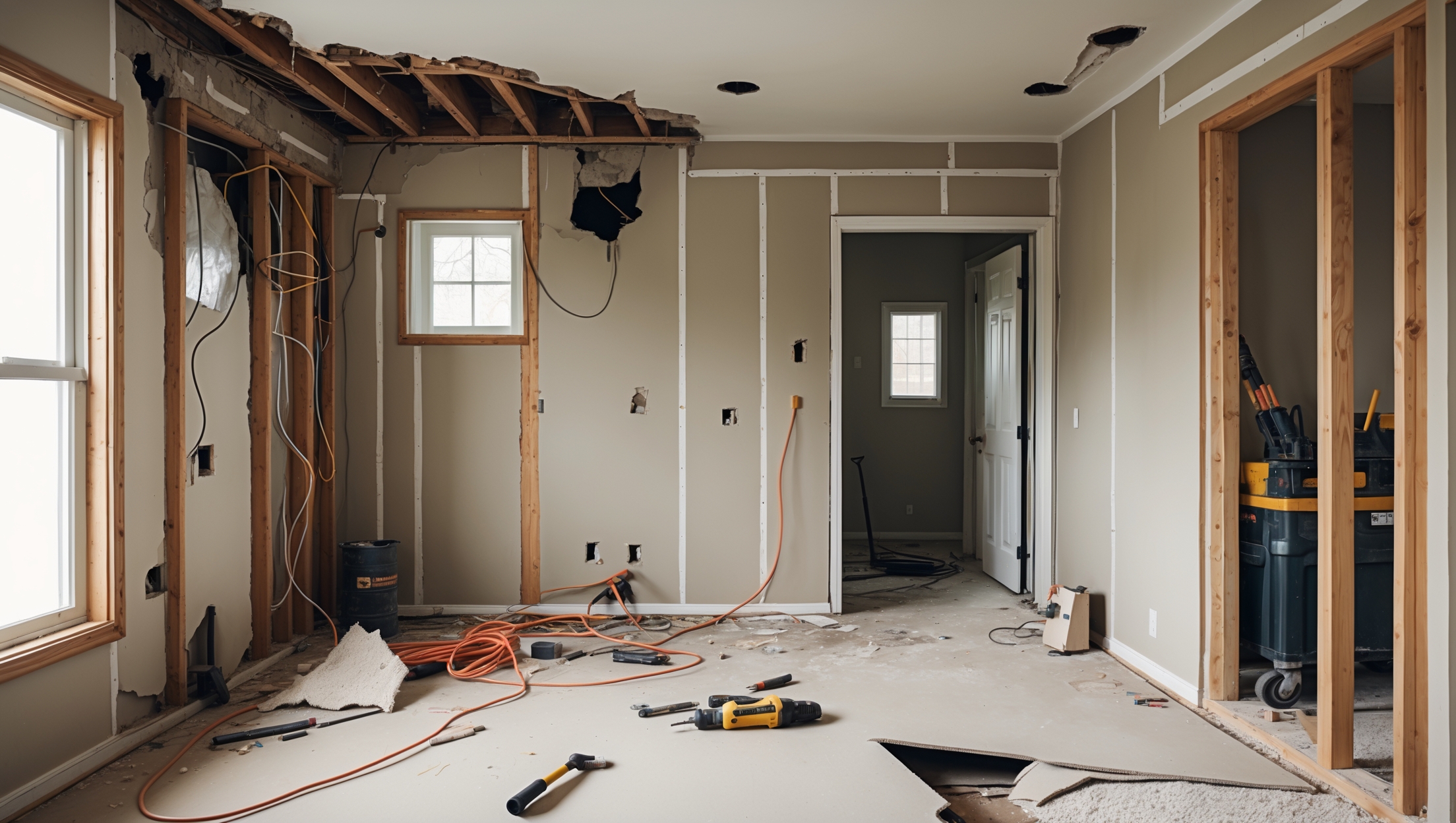

The article lists essential tools for waterproofing, but are any of them possible to rent instead of buying? As a college student with limited storage and budget, I’d like to avoid purchasing equipment I might only use once.
Absolutely, many essential waterproofing tools can be rented instead of purchased. Equipment like wet/dry vacuums, dehumidifiers, concrete mixers, and power washers are commonly available at hardware stores or tool rental centers. This approach saves both money and storage space, especially if you only need them for a single project. Just check with local stores for availability and rental rates before you start.
If I notice both musty odors and efflorescence in my basement, does that mean I probably have multiple sources of moisture at the same time, like both groundwater seepage and poor ventilation? How do I figure out which problem to tackle first?
Musty odors often point to poor ventilation or lingering moisture, while efflorescence (the white powdery residue) suggests water is seeping through your basement walls or floor. It’s possible both issues are at play. To prioritize, address groundwater seepage first, since ongoing leaks can worsen structural problems. Once that’s managed, improve ventilation and consider a dehumidifier to reduce odors and prevent mold.
When it comes to clogged gutters and grading, are there any quick tests or measurements I can do to check if those are causing water to pool by my foundation before I invest in expensive waterproofing materials?
You can quickly check your gutters by running water through them and seeing if it flows freely or overflows—clogs often cause spills near the foundation. For grading, lay a long straight board and a level on the soil next to your house; the ground should slope away at least 6 inches over 10 feet. If water pools or the slope is insufficient, these issues may be contributing to the problem.
The article discusses both interior and exterior waterproofing methods. For an older home with minor wall cracks and some mildew smells, would you recommend starting inside or outside, and why?
For an older home with minor wall cracks and some mildew smells, it’s usually best to start with interior waterproofing. Addressing cracks from the inside with sealants or epoxy injections can help prevent moisture entry, and using a dehumidifier or interior drainage system tackles mildew and dampness. Exterior solutions are more invasive and costly, so they’re often reserved for severe or persistent issues that interior fixes can’t resolve.
Could you explain the main cost differences between interior and exterior waterproofing methods? I want to make sure I’m budgeting correctly before deciding which route to take for my basement.
Interior waterproofing is usually less expensive, often ranging from a few hundred to a few thousand dollars, depending on the size of your basement and the methods used like sealants or interior drainage systems. Exterior waterproofing costs more, often several thousand to over ten thousand dollars, since it involves excavation around the foundation, exterior membranes, and drainage improvements. The higher cost of exterior methods comes from the labor and materials required for digging and working outside your home’s foundation.
You brought up that ignoring early signs like peeling paint can lead to bigger headaches. If I noticed some minor bubbling on my basement walls, what immediate steps would you recommend before deciding on a full waterproofing project?
If you’re seeing minor bubbling, start by removing any loose or bubbled paint and inspect the area for dampness or discoloration. Use a dehumidifier or fan to dry out the spot thoroughly. Check for obvious cracks or gaps nearby and seal them with waterproof caulk or hydraulic cement. Monitor the area over the next week to see if more bubbling appears, which can help you decide if a larger waterproofing project is necessary.
I operate a small workshop out of my basement and noticed a persistent musty odor but no obvious water stains. Could condensation alone cause this, and would addressing humidity solve the issue without a full waterproofing project?
Yes, condensation can definitely lead to a musty odor in basements, even if you don’t see visible water stains. High humidity provides the perfect environment for mold and mildew growth. Using a dehumidifier and improving ventilation can often reduce or eliminate the smell without the need for a major waterproofing project. Keep an eye on the humidity level and consider insulating cold surfaces to minimize condensation.
What are some essential tools that a business owner might already have on hand, and which tools are more specialized and likely to require a purchase or rental for basement waterproofing jobs?
A business owner may already have basic tools like a hammer, tape measure, utility knife, caulking gun, buckets, and safety gear such as gloves and goggles. More specialized tools for basement waterproofing include sump pumps, masonry brushes, crack injection kits, concrete mixers, and dehumidifiers. These specialized items are less common in general toolkits and often need to be purchased or rented for the job.