Introduction: Why DIY Demolition Deserves Your Full Attention
When planning a home remodel, few steps are as exhilarating—or as potentially risky—as demolition. Knocking down walls or pulling up floors can be deeply satisfying, but without the right approach, it’s easy to create safety hazards, damage structural elements, or rack up unexpected costs. DIY demolition isn’t just about grabbing a sledgehammer; it’s a crucial phase that sets the tone for the entire renovation. Proper preparation, a clear understanding of the process, and attention to safety can mean the difference between a smooth project and weeks of costly delays. This guide dives deep into the art and science of DIY demolition for home improvement. Whether you’re gutting a bathroom, opening up a kitchen, or prepping a basement for finishing, you’ll learn how to plan, execute, and clean up your own demolition work—while protecting your investment and your health. Let’s break it down step by step, so you can approach your next remodel with confidence and precision.
Understanding the Scope: What Does DIY Demolition Involve?
Demolition in a home improvement context means more than swinging a hammer at drywall. It’s a controlled, strategic process of removing existing elements to make way for upgrades. DIY demolition commonly includes:
- Removing old cabinetry, appliances, and fixtures
- Pulling up flooring like carpet, tile, or hardwood
- Taking down non-load-bearing walls or partitions
- Stripping wallpaper and old paint
- Detaching trim, baseboards, and doors
- Clearing out unwanted built-ins or shelving
Knowing what you can—and should—tackle yourself is crucial. Some demolition tasks, especially those involving structural changes or hazardous materials, are best left to professionals. Before you begin, clarify your project’s boundaries and check for any red flags.
Safety First: Essential Precautions for DIY Demolition
Personal Protective Equipment (PPE)
Never start demolition without the proper safety gear. At minimum, you’ll need:
- Heavy-duty work gloves: To protect against sharp edges and splinters.
- Safety goggles: To shield eyes from flying debris.
- N95 respirator or dust mask: To avoid inhaling dust and particulates.
- Sturdy boots: Preferably steel-toed, to protect feet from falling materials.
- Long sleeves and pants: To minimize skin exposure.
Check for Hazardous Materials
Older homes may contain asbestos (in floor tiles, ceiling tiles, or insulation) and lead paint. If your home was built before 1978, get professional testing before disturbing suspect materials. Never attempt DIY removal of hazardous substances—this is a job for certified specialists.
Utility Shut-Off
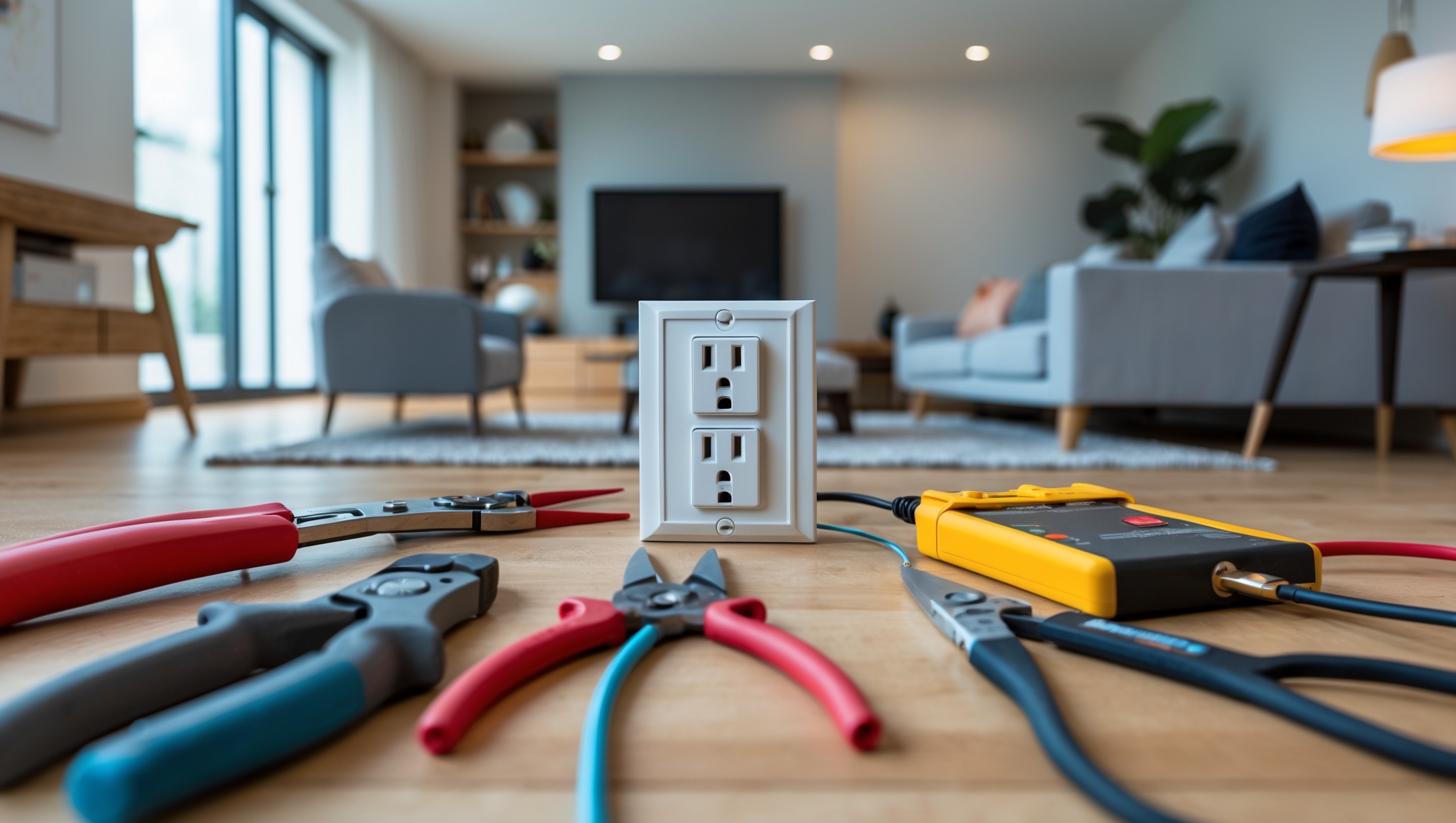
Before any demolition, turn off electricity to the area at the breaker box. If plumbing or gas lines are involved, shut off those utilities as well. Use a voltage tester to confirm wires are dead before proceeding. Mark utility locations on walls and floors to avoid accidental damage.
Planning and Preparation: Setting Yourself Up for Success
Make a Detailed Demolition Plan
- List every element to be removed, in the order you’ll tackle them.
- Identify which walls, if any, are load-bearing (consult a structural engineer or architect if unsure).
- Note locations of pipes, wires, ductwork, and outlets to avoid accidental damage.
Clear and Protect the Work Area
- Remove all furniture, rugs, and valuables from rooms slated for demolition.
- Cover floors and adjacent areas with heavy-duty drop cloths or plastic sheeting.
- Seal off doorways, vents, and HVAC returns with plastic to contain dust.
- Set up a designated path for debris removal to avoid tracking mess through your home.
Gather the Right Tools and Equipment
- Pry bars (various sizes)
- Sledgehammer and claw hammer
- Utility knife
- Reciprocating saw (with demolition blades)
- Flat shovel and wheelbarrow
- Heavy-duty trash bags or contractor bags
- Shop vacuum with HEPA filter
- Ladders or step stools as needed
Investing in quality tools can drastically speed up the process and reduce frustration. Consider renting large items like dumpsters or professional-grade saws for more extensive jobs.
Step-by-Step Guide: Executing Your DIY Demolition
1. Start with Fixtures and Fittings
- Remove light fixtures, switch plates, and outlet covers.
- Detach cabinets, shelves, and hardware using a drill or screwdriver.
- Take out plumbing fixtures (sink, toilet, etc.) after shutting off water supply.
2. Remove Trim and Doors
- Use a utility knife to score caulk or paint lines along baseboards and trim.
- Gently pry trim away from the wall using a flat bar to avoid damaging underlying surfaces (especially if you plan to reuse or donate items).
- Take doors off hinges and store hardware in labeled bags.
3. Pull Up Flooring
- For carpet: Cut into manageable strips, roll up, and remove padding and tack strips.
- For tile: Score grout lines, then use a chisel and hammer or demolition scraper.
- For hardwood: Pry up boards starting at one end, using a crowbar—watch for nails and staples.
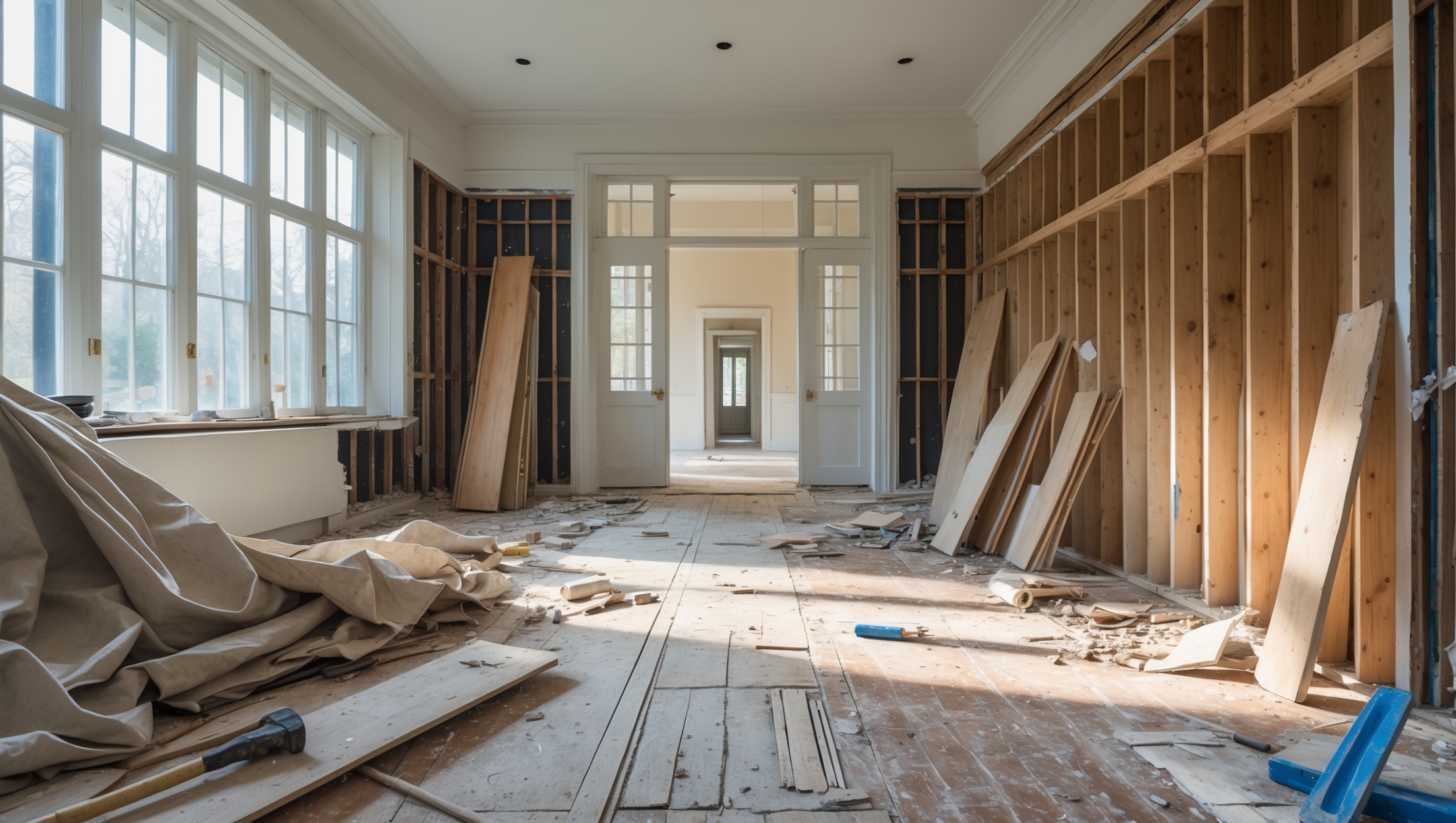
4. Demolish Walls (Non-Load-Bearing Only)
- Double-check that walls are not structural. Look for electrical wires and plumbing with a stud finder or by opening a small inspection hole first.
- Remove drywall in sections, starting from the top and working down. Use a utility knife to cut seams and a pry bar to pull panels away.
- Pull exposed nails or screws from studs.
- If removing studs, cut with a reciprocating saw and proceed carefully around wiring and pipes.
5. Final Cleanup and Inspection
- Collect and bag all debris, sweeping as you go to minimize dust.
- Use a shop vacuum with a HEPA filter to remove fine particles from floors, sills, and vents.
- Inspect for any accidental damage to remaining structures, wiring, or plumbing—address issues now before moving forward.
Debris Disposal: Responsible and Legal Removal
Dumpster Rental vs. Hauling
For large-scale demolition, renting a roll-off dumpster is often the most convenient option. Compare local providers for size, weight limits, and rental duration. For smaller jobs, you may be able to haul debris to your local landfill or recycling center—just check for material restrictions and fees.
Recycling and Donation
- Some demolition materials (metal, clean wood, unpainted drywall) can be recycled—check with your municipality.
- Gently removed cabinets, doors, and fixtures may be accepted by local reuse centers or Habitat for Humanity ReStores.
Proper disposal isn’t just environmentally responsible—it can also save you money in tipping fees and even earn tax deductions for donated items.
Protecting Your Home and Budget During Demolition
Preventing Unintended Damage
- Work slowly and methodically, especially near wiring, plumbing, or HVAC.
- Keep a first aid kit on hand for minor injuries.
- Cover exposed subfloors or open walls with plywood if demolition will last multiple days, to prevent accidents or pest entry.
Insurance and Permit Considerations
Check with your homeowners insurance agent to verify coverage during DIY demolition. Some policies may require notification or limit protection for self-performed work. If your project triggers local permit requirements (such as removing structural walls), secure all necessary approvals before you begin—even for the demolition phase.
Post-Demolition: Preparing for the Next Phase
Inspection and Documentation
- Take detailed photos of the exposed framing, wiring, and plumbing—these will be invaluable for future repairs and for your contractor.
- Check for hidden issues like water damage, pest infestations, or outdated wiring. Address these now, before new construction covers them up.
Site Preparation for Construction
- Remove all dust and debris from the workspace.
- Set up temporary lighting and ventilation if necessary.
- Coordinate with your contractor or tradespeople for a walk-through, so they can assess the space and plan accordingly.
Common DIY Demolition Mistakes—and How to Avoid Them
- Skipping utility shut-off: Always confirm water, gas, and electricity are off before cutting or removing walls.
- Underestimating debris volume: Arrange for more disposal capacity than you think you’ll need.
- Ignoring dust control: Seal off adjoining rooms and cover HVAC returns to avoid whole-house cleanup.
- Forgetting about hidden hazards: Probe walls and flooring for wires, pipes, or hazardous materials before heavy demo.
- Not planning for surprises: Budget extra time and money for unexpected issues uncovered during demolition.
Conclusion: Demolition as the Foundation of a Successful Renovation
DIY demolition, when approached with care and preparation, can be one of the most rewarding parts of a home remodel. It gives you hands-on control over your project, helps save money, and offers the satisfaction of transforming your living space from the ground up. But it’s not a phase to rush or take lightly. By investing time in planning, gathering the right tools, prioritizing safety, and responsibly managing debris, you set yourself—and your remodel—up for long-term success. Every hour spent prepping, every layer of dust contained, and every careful cut made can prevent headaches and expenses down the road. Remember, the goal isn’t just to tear things out—it’s to lay a rock-solid foundation for everything that comes next. So take your time, respect your home’s structure, and use the demolition phase as an opportunity to learn more about your house and your own capabilities. With the right approach, your DIY demolition can empower you for the rest of your renovation journey, helping you create the home you envision while protecting your investment and well-being.