Introduction: The Overlooked Side of DIY Solar Panel Installation
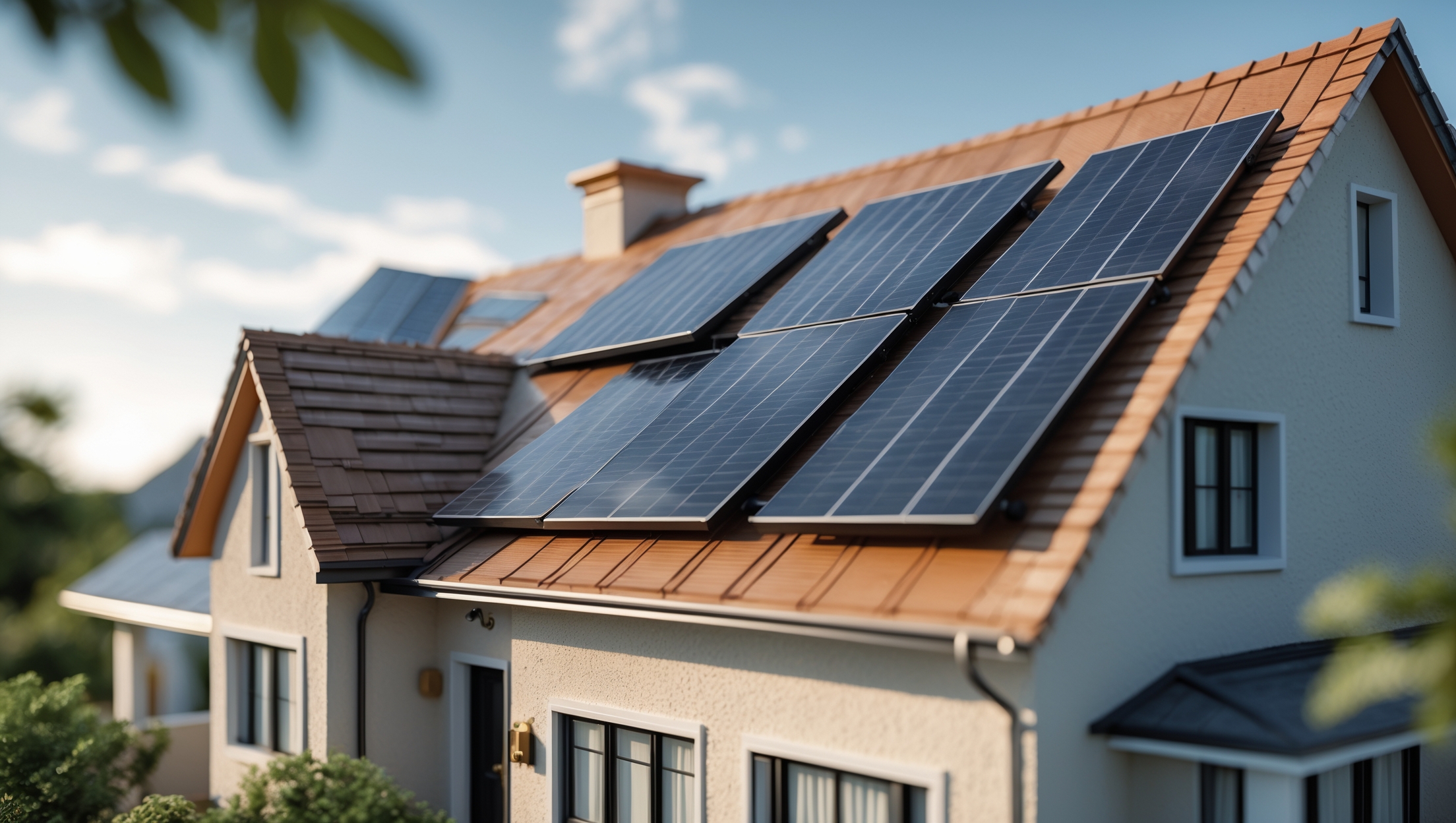
Home solar panel installations are more popular than ever, offering the promise of lower energy bills, increased property value, and a reduced carbon footprint. Many homeowners are now tackling these projects themselves, drawn by cost savings and the satisfaction of a hands-on approach. However, one crucial aspect is often overlooked: insurance. While you may be focused on the technical aspects of panel placement, wiring, and system optimization, failing to address insurance needs can expose you to significant financial risks. From property damage and personal liability to coverage gaps that could void your warranty or even affect your mortgage, understanding the insurance essentials for DIY solar panel installations is critical. This comprehensive guide will walk you through everything you need to know to safeguard your investment and ensure complete peace of mind before, during, and after your project.
How Solar Panel Installations Affect Home Insurance
Do-It-Yourself vs. Professional Installations
Insurance companies often differentiate between DIY and professionally installed solar systems. Many policies are written with the assumption that certified installers will handle such upgrades. A DIY approach may raise red flags, as insurers may consider it a higher risk due to the potential for improper installation, electrical hazards, or code violations. This can affect your eligibility for claims or even your policy status.
- Professional Installations: Usually covered with minimal questions, provided documentation and certifications are supplied.
- DIY Installations: Require more scrutiny, with insurers often asking for detailed information and, in some cases, inspections by licensed professionals.
Impact on Dwelling Coverage
Solar panels are typically considered a permanent improvement and are often covered under the “dwelling” section of your homeowners insurance. However, coverage can vary:
- Roof-Mounted Panels: Usually included in the structure coverage.
- Ground-Mounted Arrays: May be treated as “other structures,” potentially affecting limits and deductibles.
- Battery Storage: May require additional riders or endorsements.
Always verify with your provider how your particular setup will be classified and covered.
Personal Liability Issues
If a panel installation causes injury to a third party (such as a neighbor or utility worker), or if the system causes a fire or electrical issue that damages surrounding properties, personal liability coverage could be triggered. Insurers may deny liability claims arising from unpermitted or improperly installed systems.
Insurance Requirements Before Starting Your DIY Solar Project
Check Your Current Policy
Start by reviewing your existing homeowners insurance policy. Look for exclusions related to:
- Solar energy systems
- Unpermitted work
- DIY or homeowner-installed upgrades
If your policy language is unclear, contact your insurance agent for clarification. Ask specifically about coverage for solar additions and whether any documentation or inspections will be required.
Notify Your Insurance Company
Inform your insurer of your intent to install solar panels—before you begin. This transparency helps avoid future claim denials and allows your provider to guide you through any required steps for continued coverage, such as:
- Providing installation plans or diagrams
- Documenting all electrical and structural modifications
- Scheduling post-installation inspections
Understand Permit and Inspection Implications
Unpermitted work is a common exclusion in homeowners policies. If you skip municipal permits and inspections, your insurance provider may refuse to cover damage related to your solar system. Always secure proper permits and keep all associated paperwork for future reference.
Update Your Asset Inventory
Your solar panels are a valuable addition to your property. Update your asset inventory, noting:
- System specs (brand, model, wattage)
- Receipts and proof of purchase
- Photos before, during, and after installation
This documentation is vital if you ever need to file a claim.
Types of Insurance Coverage to Consider
Homeowners Insurance: Dwelling and Personal Property
Most standard policies cover solar panels as part of the dwelling if they are permanently attached. However, coverage might be limited or exclude damage from certain perils (e.g., wind, hail, or fire). Ask your agent about:
- Named perils vs. all-risk/open-peril coverage
- Coverage limits and exclusions
- Deductible amounts for dwelling and personal property
Other Structures Endorsements
If your panels are ground-mounted or detached from your primary residence, you may need an “other structures” endorsement. Evaluate your current limits and adjust as needed to fully insure your solar array.
Equipment Breakdown Coverage
This optional rider covers mechanical or electrical failure that isn’t caused by an external event (like a storm). It can be especially valuable for high-value inverters, battery systems, or complex setups.
Liability Insurance
Standard homeowner liability coverage may not suffice if your installation inadvertently causes harm. Consider increasing your liability limits or adding an umbrella policy for greater protection, especially if you live in a densely populated area or if utility workers will access your property.
Warranty and Manufacturer Insurance
Many solar panels and inverters come with manufacturer warranties. Be aware that DIY installation can void these warranties unless you follow strict guidelines or use certified equipment. Review all warranty documents and check if insurance can fill any gaps.
Common Insurance Mistakes in DIY Solar Projects
Assuming Automatic Coverage
One of the most frequent mistakes is assuming your existing policy will automatically cover your solar addition. Always confirm with your insurer and adjust your policy as needed.
Ignoring Documentation
Failure to keep thorough records—permits, receipts, installation photos—can make it nearly impossible to substantiate a claim later. Organize all documents in both digital and hard copy formats.
Not Disclosing DIY Work
Some homeowners hide the fact that their system was self-installed, hoping to avoid scrutiny. This can backfire if a claim is investigated and the insurer discovers non-professional work. Always be upfront.
Skipping Required Inspections
Many insurers require post-installation inspections by a licensed electrician or engineer. Skipping this step can invalidate your coverage for solar-related incidents.
Overlooking Value Adjustments
Solar installations increase your home’s value, which should be reflected in your insurance policy’s dwelling limit. Failing to update this can leave you underinsured after a major loss.
Step-by-Step Insurance Checklist for DIY Solar Panel Projects
- Review your current insurance policy for exclusions or limitations relating to solar panels.
- Contact your insurance provider to discuss your project before starting any work.
- Secure all necessary permits and schedule required inspections.
- Document every step of the installation process, including plans, receipts, and photos.
- Update your asset inventory and dwelling value with details of your solar system.
- Add or adjust endorsements for other structures, equipment breakdown, or increased liability as needed.
- Schedule a post-installation inspection and provide the report to your insurer.
- Review your manufacturer warranties and clarify their relationship with your insurance coverage.
- Store all documentation securely for future claims or resale needs.
Case Study: Avoiding a Costly Insurance Gap
Consider the case of a homeowner who self-installed a rooftop solar system without notifying their insurer or obtaining proper permits. Months later, a severe hailstorm damaged several panels and caused a roof leak. When the homeowner filed an insurance claim, it was denied on two grounds: the addition was not disclosed in advance, and the installation was not permitted or inspected. The homeowner was left to pay for both the solar repairs and the roof restoration out-of-pocket—a combined cost exceeding $20,000. This scenario underscores the importance of proactive communication, thorough documentation, and compliance with all insurance and municipal requirements.
Insurance FAQ for DIY Solar Panel Installations
Will my premiums go up after installing solar panels?
Possibly, but the increase is usually modest and reflects the higher replacement value of your home. The overall savings from solar energy often outweigh any additional insurance costs.
What if my solar panels are damaged by a natural disaster?
Coverage depends on your policy. Most standard policies cover perils like fire, wind, or hail, but exclusions exist. Always confirm covered scenarios with your insurer and consider supplemental coverage for high-risk regions.
Do I need to inform my mortgage lender?
Yes. Most lenders require sufficient insurance to protect their interest in your property. Notifying them of major upgrades like solar panels is standard procedure and may even be required by your mortgage agreement.
Can I insure my system if I installed it myself?
In most cases, yes, provided you comply with all local codes, obtain permits, and pass required inspections. Some insurers may require additional documentation or third-party verification.
Best Practices for Maintaining Insurance Coverage Over Time
Annual Policy Reviews
Schedule a yearly review of your homeowners insurance policy. Confirm that your solar system is still fully covered, especially if you make upgrades or add battery storage. Adjust your dwelling and liability limits as your property’s value increases.
Keep Up with Maintenance
Regularly inspect and maintain your solar panels and supporting systems. Insurance claims can be denied if damage results from neglect or lack of maintenance. Keep records of all maintenance activities, repairs, and system upgrades.
Document All Changes
If you expand your solar system or modify its layout, notify your insurer and update your documentation. This ensures ongoing coverage and streamlines any future claims process.
Conclusion: Protecting Your Home and Investment
Installing solar panels yourself can be an empowering and cost-effective way to upgrade your home, reduce your eco-footprint, and save on energy costs. However, the benefits of solar are only fully realized when you pair your technical know-how with a solid understanding of insurance essentials. Coverage gaps, denied claims, and unexpected liabilities are real risks that can undermine your investment and strain your finances. By proactively engaging with your insurance provider, securing the right endorsements, and maintaining meticulous documentation, you protect not just your panels but your entire home and financial future. Remember: every DIY project is an investment, and comprehensive insurance is the safety net that makes your efforts worthwhile. Don’t let a single oversight erase the value you’ve worked so hard to create—start your solar upgrade with insurance at the forefront, and enjoy lasting peace of mind under your new, sun-powered roof.

If there’s an electrical issue with a DIY solar panel install that causes damage later, is that usually covered by my insurance, or would that be seen as homeowner negligence since I didn’t use a professional?
In many cases, if your DIY solar panel installation causes electrical damage, your insurer might consider whether the installation met local codes and manufacturer guidelines. Some policies may exclude coverage for damages resulting from unlicensed or improper work, which could be seen as homeowner negligence. To avoid denied claims, always check with your insurer before starting a DIY project and ensure all work complies with regulations.
If my insurance company requires a licensed inspector to approve my DIY solar install before granting coverage, what kind of documentation should I expect to provide, and how long does this process typically take after completing the installation?
You’ll usually need to provide a written inspection report from a licensed electrical or solar inspector, along with any permits, installation photos, and compliance certificates relevant to your local building codes. After installing your system, scheduling an inspection can take anywhere from a few days to a couple of weeks depending on local demand and your inspector’s availability. Once the inspection is done, your insurance company typically reviews the documentation within a week, but timelines can vary.
Does the need for inspections or extra paperwork from insurance add a lot to the total cost or time compared to hiring a pro? I’m trying to weigh the DIY savings against possible insurance hassles and time delays.
When you install solar panels yourself, your insurer will likely require proof of proper installation, such as permits and inspection reports. This can add time—sometimes a few weeks—and minor costs for permits and inspections. These steps are necessary for coverage, but compared to the labor savings from DIY, most homeowners still find the extra insurance paperwork and inspections manageable. Hiring a pro often streamlines this process, but the added cost is usually much higher than the DIY route.
If I’ve already started installing my panels and only now realize my insurance might have issues with DIY projects, is it still possible to adjust my policy or meet requirements after the fact? Or do insurers usually need everything in place beforehand?
It’s often possible to adjust your insurance policy after installation begins, but each insurer has different requirements. Contact your provider as soon as possible to explain your situation. They may need photos, proof of work quality, or inspections to update your policy. Some insurers do prefer being notified before any installation starts, so check if this affects your coverage or claims eligibility.
The article mentions that solar panels are generally considered a permanent improvement under the ‘dwelling’ section of insurance. Are there any circumstances where DIY-installed panels might not fall under this category, and if so, how should homeowners handle that with their insurance company?
DIY-installed solar panels might not be covered under the ‘dwelling’ section if they aren’t permanently affixed to your home, don’t meet local building codes, or aren’t installed by a licensed professional (if your policy requires it). In these cases, your insurer may classify them as personal property or exclude coverage altogether. It’s important to inform your insurance company about your installation details and ask how your panels will be covered, so you can adjust your policy if needed.
You mentioned DIY solar installs could affect my policy status or claim eligibility. If I already started my project, what should I do to avoid coverage gaps or problems with my mortgage down the road?
Since you’ve already begun your DIY solar installation, it’s important to inform your homeowner’s insurance provider right away. Share details of your project, including installation plans and any professional inspections you might schedule. Some insurers require proof that the solar work meets local codes and safety standards. Reviewing your policy for exclusions or limitations related to solar panels can also help prevent gaps. Finally, check with your mortgage lender to confirm you’re meeting their requirements, as unapproved modifications could violate your loan terms.