
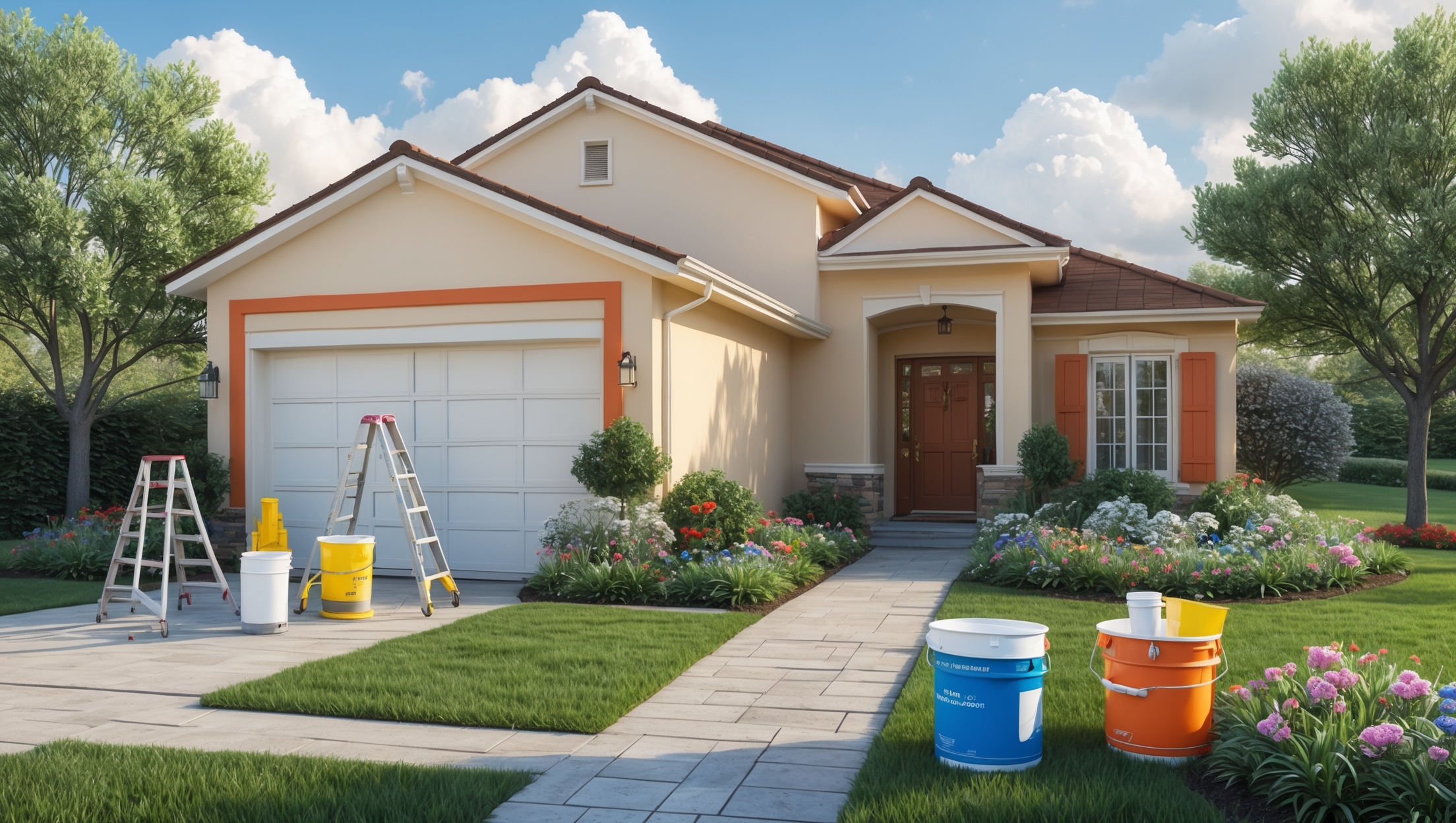
Introduction: Why Exterior Painting is More Than Just a Fresh Coat
Painting the exterior of your home is one of the most cost-effective ways to enhance curb appeal, increase property value, and protect your investment from the elements. However, many homeowners underestimate the complexity of this project—it’s not just about slapping on a new color. A successful exterior paint job requires careful planning, accurate budgeting, compliance with local regulations, and a methodical approach to ensure the finish lasts for years. Skipping steps or cutting corners can lead to premature peeling, costly repairs, or even violations of neighborhood or municipal codes. In this detailed guide, we’ll break down the real costs involved, explain the importance of permits and compliance, and walk you through a step-by-step process for achieving professional-quality results. Whether you’re a seasoned DIYer or a first-timer, this guide will equip you with the knowledge needed to avoid common pitfalls and create an exterior you’re proud to show off.
Understanding the True Cost of Exterior Painting
Material Costs: Paint, Primer, and Supplies
Exterior painting involves more than just buying a few cans of paint. Here’s what to consider:
- Paint: High-quality exterior paint ranges from $30 to $70 per gallon. Coverage varies, but one gallon generally covers 250–400 sq ft with one coat.
- Primer: Essential for bare wood or drastic color changes; expect $20–$40 per gallon.
- Supplies: Brushes, rollers, painter’s tape, drop cloths, caulk, putty, ladders, and safety gear can add $100–$400 to your budget.
- Surface Prep Materials: Scrapers, sandpaper, power washers, wood filler, and cleaning solutions—budget $50–$200.
Labor: DIY vs. Professional
- DIY: Your only labor cost is your own time. However, mistakes can be costly down the line.
- Professional: Labor is typically $1.50–$4 per sq ft, depending on complexity and region. Expect $2,500–$7,500 for a 2,000 sq ft home.
Additional Expenses
- Repairs: Damaged siding, trim, or stucco may require patching or replacement before painting. Set aside $200–$2,000 depending on the extent.
- Equipment Rental: Tall homes may require scaffolding or lifts ($100–$500/day).
- Permit Fees: Some municipalities require painting permits or historic district approvals ($25–$200).
- Lead Testing and Remediation: Homes built before 1978 may have lead-based paint; testing and safe removal can cost $300–$2,000.
Sample Budget Breakdown
- Paint and Primer: $500
- Supplies: $250
- Surface Prep: $150
- Repairs: $500
- Permit: $75
- Total DIY Estimate: $1,475
- Total Professional Estimate: $3,500–$8,000 (including labor)
Compliance and Permit Essentials
When Permits Are Required
While many municipalities do not require a permit for simple repainting in the same color, regulations vary. Permits are more likely required if:
- You’re changing the exterior color substantially
- You live in a historic district or HOA
- Lead paint remediation is involved
Check with your local building department or HOA before starting. Fines for non-compliance can be costly and may require you to repaint at your own expense.
Historic District and HOA Considerations
- Historic guidelines may restrict color choices and mandate specific materials or techniques.
- HOAs often have an approval process for color changes and may limit exterior finishes to maintain neighborhood consistency.
Always obtain written approval before purchasing materials or starting work.
Lead-Based Paint Compliance
If your home was built before 1978, federal law requires specific procedures for disturbing painted surfaces. You may need to hire an EPA-certified contractor or follow lead-safe work practices, which include:
- Testing for lead paint before sanding or scraping
- Containing paint chips and dust
- Proper disposal of hazardous materials
Failure to comply can result in hefty fines and health hazards.
Choosing the Right Paint and Materials
Paint Types for Exterior Durability
- Acrylic Latex: Most popular for its durability, flexibility, and fade resistance.
- Oil-Based: Excellent adhesion and smooth finish, but harder to clean and not as eco-friendly.
- Elastomeric Paint: Best for stucco or masonry, providing superior waterproofing and crack-bridging.
Always choose products rated for exterior use and suitable for your region’s climate.
Primer Selection
- Use stain-blocking primer for water stains, knots, or drastic color changes.
- Bonding primer is a must for glossy or previously painted surfaces.
Tools and Equipment Guide
- High-quality synthetic brushes for latex; natural bristle for oil-based
- Rollers with appropriate nap for your siding texture
- Extension poles for reaching high areas
- Step ladders and, if necessary, scaffolding or lifts
- Drop cloths, painter’s tape, caulk gun, and safety gear (goggles, masks, gloves)
- Pressure washer or hose for cleaning
- Scrapers, sandpaper, putty knife for surface prep
Step-by-Step Exterior Painting Process
Step 1: Inspection and Repairs
Walk around your home to check for loose or damaged siding, trim, or window frames. Repair or replace any rotted wood, cracked stucco, or damaged panels. Fill holes and caulk gaps to prevent moisture intrusion.
Step 2: Cleaning the Surface
- Use a pressure washer or a stiff-bristled brush with soapy water to remove dirt, mildew, and loose paint.
- Allow surfaces to dry completely (24–48 hours).
Step 3: Scraping and Sanding
- Scrape away any loose or peeling paint with a putty knife or paint scraper.
- Sand edges smooth to ensure a seamless finish. Use medium-grit sandpaper for most surfaces; fine-grit for trim.
- For lead paint, use wet sanding and proper containment procedures.
Step 4: Protecting Surroundings
- Cover plants, walkways, and fixtures with drop cloths or plastic sheeting.
- Use painter’s tape to mask off windows, door hardware, and light fixtures.
Step 5: Priming
- Apply primer to bare wood, patched areas, or any surface where the paint has been removed.
- Allow primer to dry fully, following manufacturer instructions (usually 2–4 hours).
Step 6: Caulking and Sealing
- Fill any gaps, cracks, or seams with exterior-grade paintable caulk.
- Pay special attention around windows, doors, and trim to prevent water infiltration.
Step 7: Painting – First Coat
- Start at the top of the house and work down to avoid drips.
- Use brushes for edges and trim; rollers or sprayers for large, flat areas.
- Work in the shade when possible to prevent premature drying and lap marks.
- Allow the first coat to dry completely (minimum 4 hours; 24 hours is best for optimal adhesion).
Step 8: Painting – Second Coat
- Apply a second coat for full coverage and durability, following the same process.
- Inspect for missed spots or thin areas and touch up as needed.
Step 9: Final Touches and Cleanup
- Remove painter’s tape while the final coat is still slightly tacky to prevent peeling.
- Clean brushes, rollers, and equipment immediately after use.
- Dispose of paint and materials according to local regulations.
- Inspect the house for any drips, splatters, or missed spots and address promptly.
Common Pitfalls and How to Avoid Them
- Skipping Surface Prep: Leads to poor adhesion and early failure. Prep is 80% of the job.
- Painting in the Wrong Weather: Paint in dry conditions, ideally between 50–85°F. Avoid rain and direct midday sun.
- Underestimating Paint Quantity: Always buy a little extra for touch-ups and color consistency.
- Poor Quality Materials: Cheap paint and brushes result in more work and a shorter lifespan.
- Ignoring Compliance: Always check with your local authority or HOA before starting.
Maintenance Best Practices for Longevity
Regular Inspections
- Check annually for peeling, cracking, or fading.
- Look for signs of water damage around windows, doors, and gutters.
Cleaning and Touch-Ups
- Wash your home’s exterior every 12–18 months to remove dirt and mildew.
- Touch up chips and scratches promptly to prevent water infiltration and rot.
Address Problems Early
- Replace failing caulk and repair minor damage before it becomes a bigger issue.
- Monitor areas exposed to intense sun or weather for early signs of wear.
Conclusion: Painting for Lasting Value and Curb Appeal
Exterior painting is more than a weekend project—it’s a significant investment in your home’s appearance, protection, and value. By understanding the true costs involved, securing the right permits, and following a systematic process, you can achieve stunning results that last for years. Careful surface preparation, quality materials, and attention to local compliance are the cornerstones of a successful paint job. While the upfront effort may seem daunting, the payoff is substantial: increased curb appeal, better weather resistance, and the satisfaction of a job well done. Don’t rush the process, and don’t hesitate to consult professionals for complex repairs or compliance questions. With informed planning, your home’s exterior can become a source of pride and a wise long-term investment. Whether you choose to tackle it yourself or hire a pro, the steps outlined above will help ensure your project runs smoothly and your results stand the test of time. Happy painting!

You mention professional labor costs ranging from $2,500 to $7,500 for a 2,000 sq ft home. What factors make a job fall on the higher end of that range—does siding type or number of stories make a big difference?
Yes, both siding type and number of stories have a significant impact on labor costs. Multi-story homes require more prep, ladder work, and safety measures, which increases the price. Different siding materials, like stucco or textured wood, also take more time and skill to paint than smooth surfaces like vinyl. Other factors include the home’s condition, needed repairs, and ease of access to certain areas.
You break down the cost of paint and supplies pretty clearly, but how much extra should I budget for unexpected issues, like finding rotted wood or needing to repair siding before painting?
It’s smart to plan for surprises like rotted wood or siding repairs. A good rule of thumb is to set aside an extra 10–20% of your total painting budget for unforeseen repairs. The amount can vary depending on your home’s age and condition, but this cushion usually covers minor fixes. For older homes or those with visible damage, you might want to budget even a little more.
I noticed the guide discusses the importance of compliance and permits, but I’m curious how often homeowners actually run into trouble with municipal codes. Are there specific local regulations to watch out for before starting?
Homeowners do sometimes face issues with municipal codes if they skip research or permits, especially in neighborhoods with strict zoning or historic district rules. Common regulations to check include color restrictions, lead paint removal laws, and required permits for exterior work. It’s a good idea to contact your local building department to learn about any specific requirements in your area before you start painting.
I saw the article mention the cost difference between DIY and hiring a professional, but how do you know if your house’s exterior is something you could realistically tackle yourself or if it’s better to hire out? Are there certain warning signs that indicate it’s too much for a DIY project?
You can usually tackle exterior painting yourself if your house is single-story, has easy-to-reach walls, and the siding is in good shape. Warning signs it might be too much for DIY include lots of peeling paint, wood rot, lead-based paint (common in homes built before 1978), or if your house is more than one story and requires tall ladders or scaffolding. If you’re unsure about repairs, safety, or prep work, hiring a professional is often safer and yields better results.
Given that high-quality paint and prep materials alone can add up quickly, what’s a reasonable contingency percentage to build into your budget for unexpected expenses during an exterior painting project?
When planning your budget for an exterior painting project, it’s wise to add a contingency of about 10% to 20% of your total estimated costs. This extra amount can cover surprises like additional prep if wood rot is found, extra paint for touch-ups, or the need for specialty primers. Adjust the percentage higher if your home is older or has unique features.
After painting the exterior, how long should I expect the finish to last before needing to repaint, and are there recommended steps or products that can help extend the lifespan of the paint job in harsher climates?
A high-quality exterior paint job typically lasts 7-10 years, but this can be shorter in harsh climates with lots of sun, rain, or snow. To extend the lifespan, make sure surfaces are well-prepped, use a primer, and choose premium paints made for your specific climate. Regularly cleaning the exterior and touching up any chips or cracks early will also help preserve the finish.
If my home has existing peeling paint or some sections of bare wood, do I need to use both primer and surface prep materials, or can primer alone address both issues? I want to make sure I prep correctly before painting.
Primer is important, but prepping the surface is just as crucial. You should scrape off all loose, peeling paint and sand rough edges so the new paint can adhere well. For bare wood, primer is essential to seal the surface. For the best results, use both surface prep materials (like scrapers, sandpaper, or filler for any holes) and a quality primer before painting.
When hiring professionals, you list a range of $2,500 to $7,500 for a 2,000 sq ft home. What factors determine where in that range a particular job might fall? Are there ways to get an accurate estimate before committing to a contractor?
Several factors affect the cost for painting a 2,000 sq ft home, including the home’s condition, the quality of paint you select, the number of stories, surface materials, prep work needed, and regional labor rates. To get an accurate estimate before hiring, request detailed quotes from a few licensed contractors. Ask for a breakdown of prep, materials, and labor so you can compare offers clearly.